Gas technician training in London follows a clear path. It starts with learning the role and its work in homes and commercial buildings. The process includes formal training, hands-on practice, and recognised certification for safe work.
Gas training courses in London cover both domestic and commercial systems. The content focuses on safety, installation, and fault finding. Training uses simple classroom learning and practical workshop tasks. Flexible study options support different schedules and learning needs.
Training routes include Managed Learning Programmes, apprenticeships, and ACS assessments. Advanced and specialist courses add further skills. The London job market shows steady demand, with clear roles and varied work settings. Pay levels remain strong. Related courses such as plumbing, HVAC, and F-Gas help expand skills and improve career options.
What is a gas technician in London?
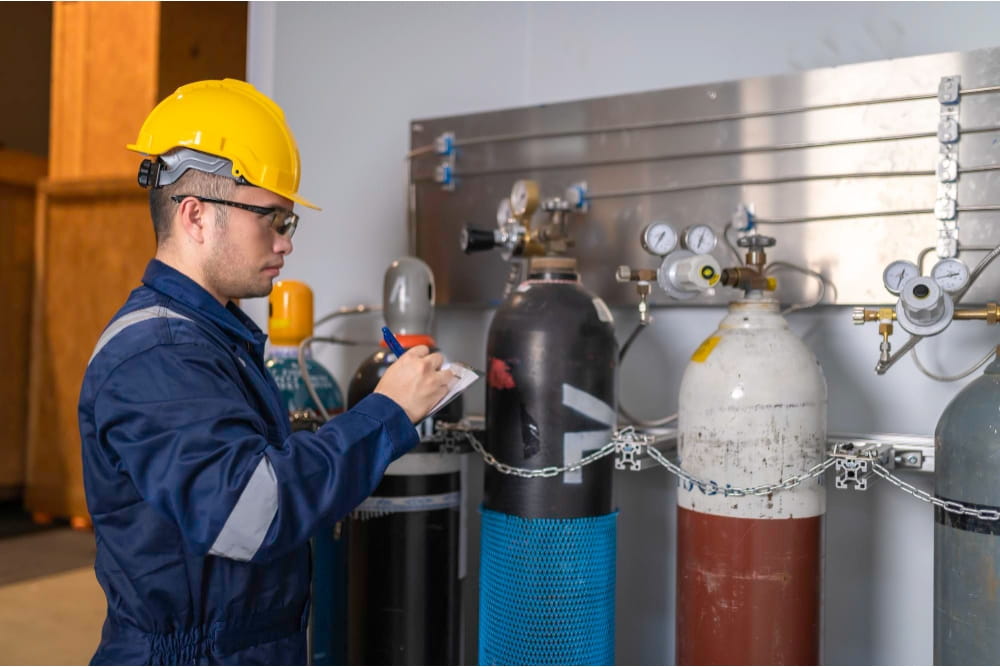
A Gas Technician in London (often referred to as a Gas Engineer) is a qualified professional registered with the Gas Safe Register. The role centres on installing, repairing, and maintaining gas appliances such as boilers, cookers, and fires, all in line with UK safety regulations. Work takes place in both domestic and commercial buildings, where safety and system performance remain the main focus.
In practice, a gas technician can work on a wide range of gas systems depending on their level of training and experience. There are different gas training courses in London that individuals can join to pursue a career as professional gas technicians.
How to become a gas technician in London
To start a career as a gas technician, you need to complete structured training, gain practical experience, and achieve recognised industry certification. This pathway builds the knowledge and hands-on skills required for safe and compliant work. In London, many learners choose fast-track or flexible training routes to enter the industry more quickly. These programmes combine classroom learning with workshop practice and supervised on-site experience, helping learners apply their skills in real working environments.
For a full breakdown of the step-by-step qualification process, including ACS assessments and certification, see our complete guide on how to become a gas engineer in the UK.
Gas technician training courses in London
London has a wide network of recognised gas training providers, including private academies, specialist centres, and further education colleges. These providers deliver structured programmes aligned with current UK gas safety standards and industry requirements.
Training centres offer courses for beginners, career changers, and experienced tradespeople. Each programme combines theory with practical learning, helping learners build real-world skills in controlled training environments.

Types of gas courses available in London
Training providers across London offer a range of course options based on career goals and experience level:
- Domestic Gas Courses: Boilers, cookers, and central heating systems
- Commercial Gas Training: Larger systems and complex installations
- Boiler Installation and Repair Courses
- LPG and F-Gas Courses
Each course focuses on specific areas of gas work, allowing learners to develop targeted skills.
Gas course content
Gas training courses in London follow structured content based on industry standards. Most programmes include:
- Core gas safety training (CCN1)
- Appliance training (boilers, cookers, fires)
- Pipework installation and system testing
- Ventilation and combustion principles
- Fault finding and safety procedures
Training combines classroom learning with hands-on workshop practice using industry-standard tools and equipment.
Flexible learning options in London
Training centres across London offer different study formats to suit individual schedules:
- Weekday and weekend classes
- Full-time and part-time courses
- Intensive training options
Many providers also include supervised on-site experience to support practical skill development.
How to choose the right gas course in London
Choosing the right course depends on several key factors:
- Course duration (fast-track or longer programmes)
- Location of the training centre
- Level of practical training included
- Cost and available payment options
- Career goals within the gas industry
A well-structured training programme builds both technical knowledge and practical confidence, supporting progression towards certification and employment.
Gas training programmes in London
Gas training programmes in London follow structured pathways designed for different experience levels, from complete beginners to qualified engineers seeking reassessment. These programmes vary in duration, entry requirements, and career outcomes.
Managed Learning Programme (MLP)
- Duration: Around 25–45 weeks
- Who it’s for: Beginners and career changers
- Benefits:
- Fast-track route into the gas industry
- Combines theory, practical training, and portfolio development
- Includes preparation for ACS assessment and Gas Safe registration
This pathway provides a structured route into gas work, allowing learners to build core skills and gain supervised experience within a shorter timeframe.
NVQ gas apprenticeship (Level 3 Gas Engineering Operative)
- Duration: Typically 18 months to 2–3 years
- Who it’s for: School leavers and new entrants
- Benefits:
- Earn while learning through on-the-job training
- Structured long-term development with employer support
- Builds strong practical experience alongside formal qualifications
This route focuses on gradual skill development through real work environments combined with classroom learning.
ACS assessment and reassessment
- Duration: Short-term assessments (varies by module)
- Who it’s for: Qualified engineers seeking certification or renewal
- Benefits:
- Required for Gas Safe registration
- Covers core safety modules such as CCN1
- Allows engineers to qualify for specific appliances and systems
This stage confirms competence and ensures compliance with current gas safety standards.
Advanced and specialist training
- Commercial gas training for larger systems
- Short courses in fault finding and diagnostics
- Renewable technologies such as heat pumps
These options support career progression and skill expansion.
What are gas technician jobs and demand like in London?
Gas technician jobs in London show strong demand. The need stays high across homes and commercial buildings. Work includes installing, servicing, and repairing heating systems.
The industry has a clear skills gap. Many older engineers leave the trade, while fewer new workers join. This gap keeps demand steady for trained workers with Gas Safe registration and real work experience.
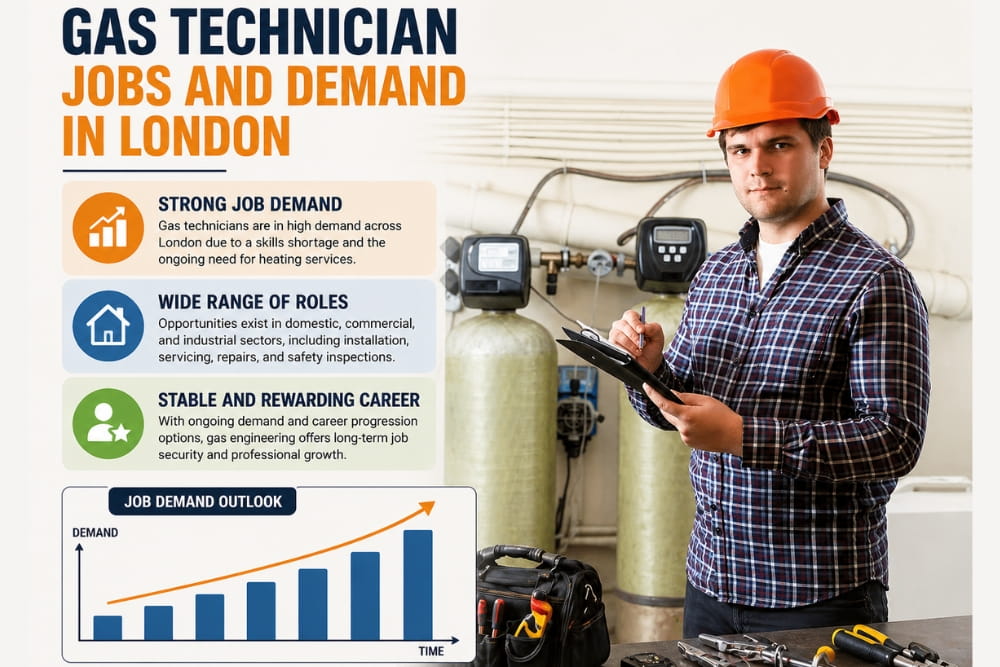
Typical roles in London include:
- Domestic service and breakdown engineers
- Heating system installers
- Commercial gas engineers
- Smart meter technicians
Work takes place in social housing, private homes, and commercial sites. Most roles focus on repairs, routine servicing, and safety checks. Entry into this field depends on training and certification. Learners who complete recognised courses and gain practical experience move into junior roles first. They then progress as they build skill and confidence.
Subcontract work is common in London. Many engineers work for themselves and take on regular service and repair jobs across different areas.
Gas technician salaries and earnings in London
Pay depends on experience, skill level, and type of work.
- Entry-level roles start at about £30,000 per year
- Experienced engineers earn between £40,000 and £60,000
- Senior or specialist roles go above £70,000
Contract work often pays higher daily or weekly rates. Some roles also include bonuses or location-based pay. The London market offers steady work and good earning potential. This makes it a stable career choice in the gas industry.
Related gas courses (Plumbing, HVAC and F-Gas)
Gas training is often combined with other trade skills to improve job opportunities.
Related courses include:
- Plumbing courses: Pipework and water systems
- HVAC training: Heating, ventilation and air conditioning
- F-Gas courses: Refrigeration and cooling systems
Combining these skills allows you to offer a wider range of services and increase your earning potential.
Start your gas technician career in London
Becoming a gas technician in London offers a practical route into a stable, well-paid and in-demand career. With flexible training options and strong job opportunities across the city, it is an accessible choice for both beginners and career changers.
By choosing the right course and gaining the required qualifications, you can build a long-term career as a qualified and trusted professional in the UK gas industry.