Becoming a qualified electrician in the UK costs between £0 and £11,000. The final figure depends on the route chosen. An apprenticeship costs the learner nothing directly, because the employer funds training over 3–4 years. A Fast-Track private route costs £5,000–£9,500 and reaches a Gold Card in 18 months to 2.5 years. An FE college route costs £4,000–£8,000 out of pocket over 3–4 years, part-funded in some cases by an Advanced Learner Loan. The Experienced Worker Assessment route costs £2,500–£5,000 and applies only to people with 5 or more years of documented electrical work experience.
Every route ends at the same destination: an ECS Gold Card. The card proves Level 3 occupational competence to employers and site managers. The qualifications behind that card stay identical regardless of route. What differs is who pays, how long training takes, and how much income the learner earns or loses during that time.
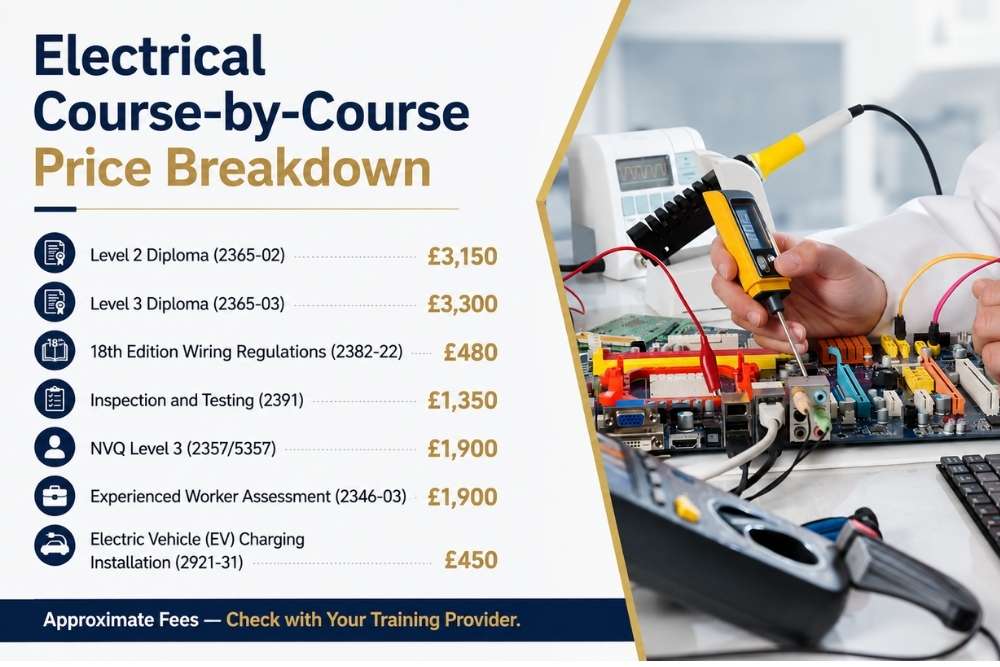
Electrical Course-by-Course Price Breakdown
Individual electrician course costs vary by provider, region, and whether a course is booked as a standalone unit or bundled into a package. The figures below reflect typical UK prices for each electrician qualification in 2026.
Level 2 Diploma (2365-02)
Level 2 electrical courses form the entry-level qualification on every non-apprenticeship route. Cost ranges from £1,500 to £4,200, depending on the provider and whether it is studied full-time (6–14 weeks) or part-time (12–36 weeks). The course covers electrical science, health and safety, and basic installation methods. Completing it alone does not qualify a learner to work independently; it stands as a prerequisite for Level 3 and the NVQ stage, not an end point.
This entry-level qualification covers electrical science, safe isolation and basic inspection and testing over 12 weeks, full-time or part-time. At Alpha BSE, our price is £3,150 including VAT, covering training, assessments, materials and certification, with instalment plans available on request.

Level 2 Diploma (2365)
Level 3 Diploma (2365-03)
Level 3 builds on Level 2 with circuit design, fault-finding, and more advanced installation content. Cost ranges from £2,000 to £3,300, again varying by provider and delivery speed. Booking Level 2 and Level 3 together as a package typically saves £300–£400 against booking them separately.
Building on Level 2, this 19-week qualification covers fault diagnosis, inspection, testing and electrical systems design. At Alpha BSE, our price is £3,300 including VAT, covering training, assessments, workshop time and certification, with 0% APR payment plans available for spreading costs.
Level 3 Diploma (2365)
18th Edition Wiring Regulations (2382-22)
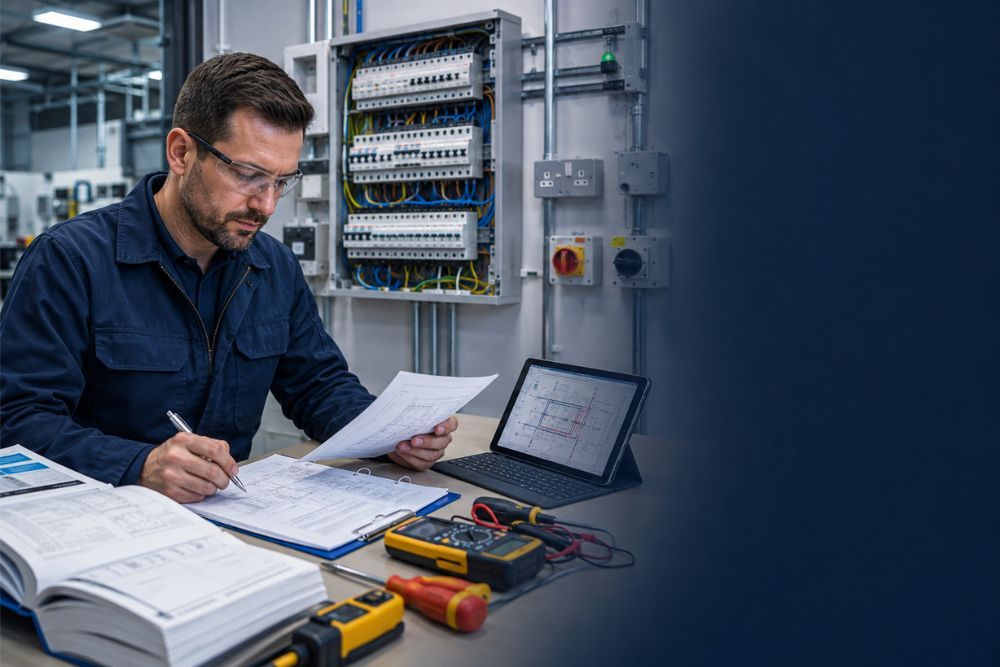
The 18th Edition course covers the current requirements of BS 7671, the UK wiring regulations standard, and costs £200–£490 including the exam fee. It runs shorter than Level 2 or Level 3, usually 3–5 days intensive or delivered part-time over several weeks. This qualification needs updating whenever a new amendment to BS 7671 is published, typically every few years, at a similar cost.
This course updates practising electricians on the current IET Wiring Regulations over three days. At Alpha BSE, our price is £480, covering training, assessment and certification. An exam-only booking costs £200 for those who have already self-studied the material.
Providers are updating their 18th Edition exam content for 2026. Our refreshed exam becomes bookable from April 2026, a timing point worth checking before booking a renewal close to that date.
City & Guilds 18th Edition (2382)
Inspection and Testing (2391)
The 2391 qualification costs £995–£1,199 and covers inspection, testing and certification skills. It is required for self-employed work, and for progressing toward the EWA route in some cases. It stays optional for someone planning to work as an employed electrician without self-certifying jobs.
NVQ Level 3 (2357/5357)
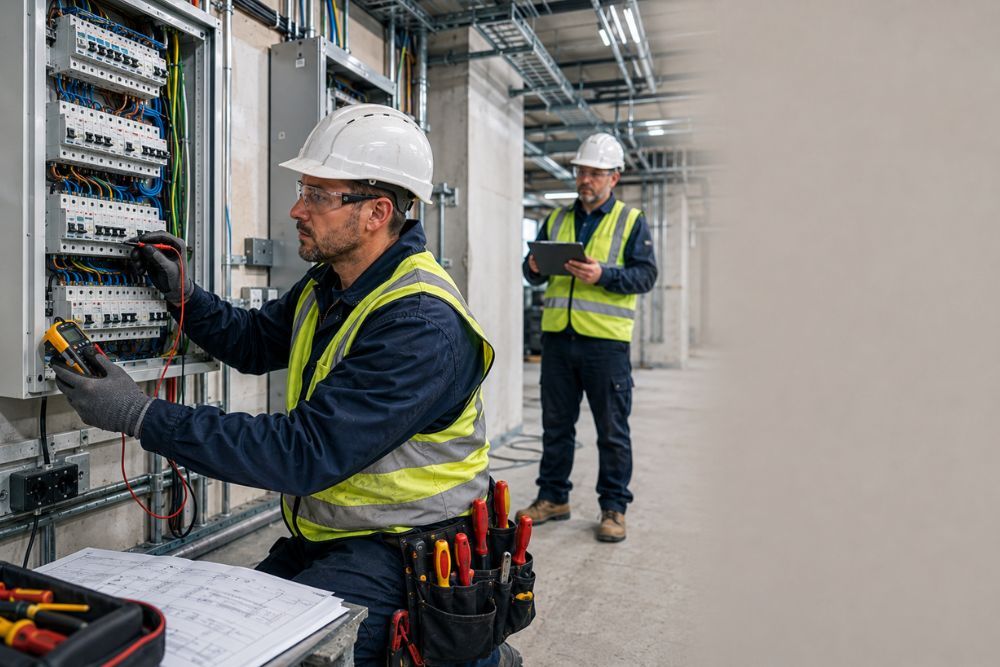
The NVQ costs £1,500–£2,500 as an assessment-only fee, separate from any classroom training. It is not a taught course. An assessor reviews real, documented workplace evidence gathered over 6–24 months, depending on how quickly a learner accesses suitable installation work.
The NVQ is an on-site assessment rather than a taught course, suited to electricians who’ve completed Level 3. At Alpha BSE, our price is £1,900, covering on-site assessments, portfolio review and certification. It typically takes 6-18 months, and AM2 is booked separately.
NVQ Level 3 (2357)
Experienced Worker Assessment (2346-03)
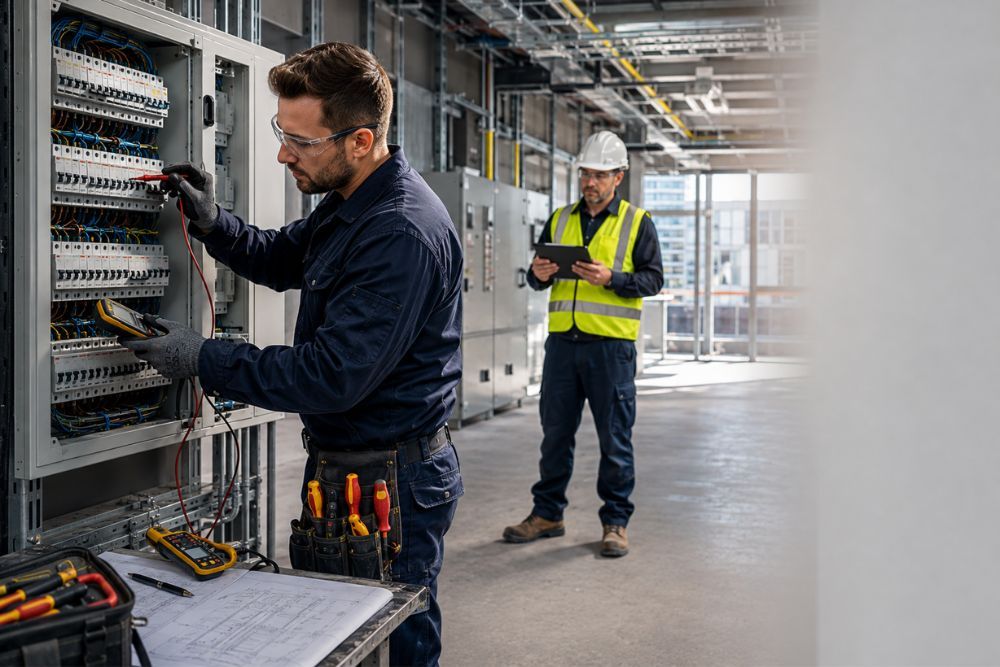
The EWA course, discussed as a route above, is also bookable as a standalone qualification for electricians who already meet the experience threshold.
This route suits electricians with five or more years of unqualified experience who need formal Level 3 recognition. At Alpha BSE, our price is £1,900, covering skills scan, on-site assessments and certification. It typically takes 18-24 months, and AM2E is booked separately.
EWA Level 3 (2346)
Electric Vehicle (EV) Charging Installation (2921-31)
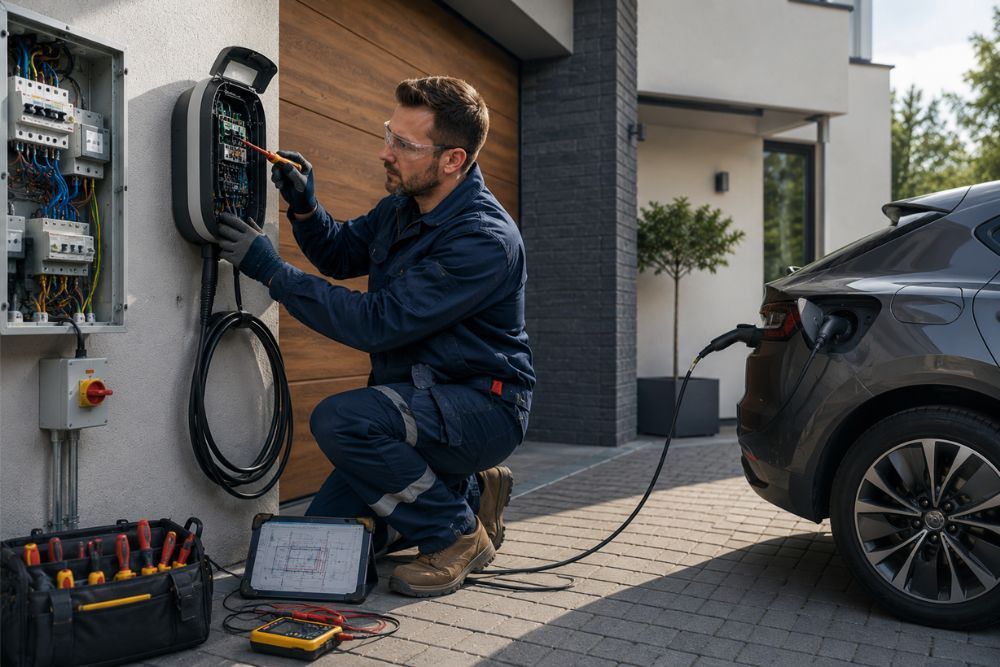
This specialist add-on qualification suits electricians who already hold 18th Edition and a Level 3 NVQ and want to add a growing specialism, rather than a core route toward the Gold Card. Completion allows registration under a national approved installer scheme, opening referrals for local EV installation work and eligibility for government charging-point funding schemes.
This two-day add-on qualifies electricians to design, install and test EV charging equipment in domestic and commercial settings. At Alpha BSE, our price is £450, covering training, assessment and certification. Applicants need 18th Edition and a Level 3 NVQ before booking.
EV Charging Installation Level 3 (2921)
The Four Routes to Becoming a Qualified Electrician
A Gold Card requires three components working together. These are a Level 3 competence qualification (usually an NVQ), the relevant NET practical assessment, and 18th Edition Wiring Regulations knowledge. Four routes lead there, and each trades cost against time and eligibility.
| Route | Upfront cost | Time to Gold Card | Income while training | Who it suits |
|---|---|---|---|---|
| Apprenticeship | £0–£2,500 | 3–4 years | Apprentice wage, rising each year | 16–24-year-olds, career changers who accept lower pay for several years |
| FE College (adult) | £4,000–£8,000 | 3–4 years | Full salary if part-time; lost salary if full-time | Adults over 19 who cannot secure an apprenticeship place |
| Fast-Track private | £5,000–£9,500 | 1.5–2.5 years | Lost salary during block-release study | Career changers who want the shortest classroom stage and can self-fund |
| Experienced Worker Assessment | £2,500–£5,000 | 6–18 months | Full salary throughout | Electrician's mates and improvers with 5+ years of unqualified site experience |
Apprenticeship training is employer-funded, so the apprentice pays no course fees. The trade-off is a lower wage for 3–4 years rather than a full electrician’s salary. Fast-Track private training reverses that trade-off: fees run highest, but the classroom stage finishes fastest. A learner with existing site experience reaches a Gold Card in under two years on this route.

Apprenticeship: Lowest Upfront Cost, Longest Timeline
An electrician apprenticeship pays a wage that rises each year of the 3–4 year programme. The Joint Industry Board (JIB) sets the rate. The table below shows the current JIB apprentice wage bands.
| Year | Approximate annual wage | Approximate hourly rate |
|---|---|---|
| Year 1 | £10,764 | £8.16 |
| Year 2 | £14,112 | £10.70 |
| Year 3 | £18,624 | £14.12 |
| Year 4 | £24,420 | £18.51 |
Apprentices pay no course fees directly. The employer funds training, either directly or through the Apprenticeship Levy. Tools, PPE, and travel costs vary by employer, so confirming exactly what an employer covers before accepting a place avoids unexpected costs during training.
Apprenticeship places for 16–24-year-olds are competitive but attainable through JIB-approved providers and large electrical contractors. Adult apprenticeships (25+) run far more limited. Employers typically favour younger applicants because of lower wage costs and a longer expected career, so adult applicants regularly face dozens of competing candidates for a single place.
FE College: Part-Funded, Flexible Around Work
FE college training suits adult learners who cannot secure an apprenticeship and want structured, accredited study with some funding support. Courses run part-time through evenings or day release, or full-time. Most colleges accept learners aged 19 and over onto Level 2 and Level 3 programmes.
Fees for the Level 2 and Level 3 diplomas total £4,000–£8,000, excluding NVQ assessment and AM2 costs. An Advanced Learner Loan covers some or all tuition for eligible adults. Loan terms, repayment thresholds, and write-off rules appear on the Student Finance England website. NVQ fees, the AM2 exam, tools, and travel sit outside the loan.
The main obstacle on this route is non-financial: securing an employer willing to provide on-site work for NVQ evidence. A diploma alone does not satisfy this requirement. Diploma holders often spend several months searching for placement work after finishing classroom training.
Fast-Track Private Training: Fastest Route, Highest Fee
A fast-track electrician course price typically runs £5,000–£9,500 for a bundled package covering Level 2, Level 3, 18th Edition, and sometimes an introductory testing module. Private providers deliver this classroom stage through intensive block-release weeks rather than the part-time schedule an FE college uses. This shortens the time needed to complete the theory and workshop element.
Speed applies only to the classroom stage. NVQ completion still depends on access to real electrical work, and the fast-track route does not remove that requirement. A learner who lives away from the training centre also faces added accommodation and travel costs during block-release weeks. These costs sometimes reach £1,500–£6,000 across a full course, and some providers do not state them clearly in advertised prices.
Experienced Worker Assessment: Cheapest Route for Skilled Workers
The Experienced Worker Assessment (EWA) route suits people who have already worked as an electrician’s mate or improver for 5 or more years without formal Level 3 qualifications. EWA costs £2,500–£5,000 in total, covering portfolio assessment, workplace evidence review, and the AM2E practical examination.
EWA eligibility depends on documented experience across domestic, commercial, or industrial installation work, evidenced through employer records, timesheets, or supervisor sign-off. Candidates need 18th Edition Wiring Regulations either already held or completed alongside the EWA process. This route stays closed to people with no electrical site experience, and it does not function as a starting point for a career change from scratch.
How Long Does It Take to Become an Electrician?
The time required to become an electrician ranges from 6 months to 4 years, depending on the training route and the learner’s existing skills and experience.
| Route | Typical duration |
|---|---|
| Apprenticeship | 3–4 years |
| FE College (adult) | 3–4 years |
| Fast-Track private | 1.5–2.5 years |
| Experienced Worker Assessment | 6–18 months |
The Experienced Worker Assessment route completes fastest, because candidates already hold years of on-site experience and need only formal assessment rather than classroom training from scratch. The apprenticeship and FE college routes take longest, since both build electrical knowledge and site experience from the beginning. Fast-Track private training sits in the middle: the classroom stage finishes quickly through block-release study, but NVQ evidence still depends on access to real electrical work.
AM2 vs AM2S vs AM2E: Which Assessment Do You Need?
Three separate NET assessments exist. Each one applies to a specific route rather than being interchangeable.
| Assessment | Applies to | Approximate cost |
|---|---|---|
| AM2 | Standard NVQ route (FE college, Fast-Track private) | £860–£1,060 including VAT |
| AM2S | Apprenticeship-standard route | Employer-funded in most cases |
| AM2E | Experienced Worker Assessment route | £935–£1,440 including VAT |
The AM2 assessment costs approximately £860–£1,060 including VAT. It sits as a separate cost from Level 2/3 diploma or NVQ fees, taken after completing the NVQ at a NET-approved assessment centre. The assessment involves roughly two and a half days of practical work: wiring an installation to BS 7671 standards, carrying out safe isolation, and completing certification. Fees vary slightly by assessment centre, so confirming the fee directly with the chosen centre before booking gives an accurate, current figure.
Hidden Costs Course Prices Don’t Include
Course fees answer only part of the electrician course cost question. Several categories of spending sit outside advertised package prices and catch learners out mid-way through training.
- Tools and Test Equipment: A starter tool kit costs £200–£500 and covers VDE-insulated screwdrivers, side cutters, a GS38-compliant voltage indicator, and basic PPE. Most employers and providers supply test equipment during the course. A multifunction tester, needed for 2391 and self-employed testing, costs £500–£1,500 and is the largest single tool purchase.
- Travel and Block-Release Accommodation: Local travel to a training centre or NVQ workplace costs £200–£1,500 a year. Learners without a nearby provider face added costs on block-release courses. Accommodation for block-release weeks runs £50–£100 a night across multiple training blocks. These nights add £1,500–£6,000 to a fast-track course over its full duration.
- ECS Card, CPD, and Renewals: The ECS Gold Card application costs £40–£56 depending on JIB membership, and stays valid for 3–5 years before renewal at £38–£48. A first aid certificate, required alongside the card, costs £70–£100 and renews every 3 years. The ECS Health, Safety and Environmental Assessment costs approximately £47.50 plus VAT, passed within 2 years of application.
What Does Self-Employment Add to the Cost?
Self-employment adds a distinct cost layer on top of training, one that most advertised course prices leave out entirely. Notifiable domestic electrical work requires membership of a Competent Person Scheme. Examples include NICEIC and NAPIT. Membership costs £300–£1,000 a year depending on scheme and scope, plus an initial assessment fee of £200–£400.
Public liability insurance costs £200–£400 a year and stands as a legal requirement for self-certifying work. Professional indemnity and tools cover add £150–£350 a year combined. A calibrated multifunction tester costs £45–£100 a year to recalibrate, on top of the £500–£1,500 purchase price. A work vehicle adds the largest variable cost: a used, Euro 6-compliant van costs £4,000–£6,000 minimum, with insurance running £800–£2,000 a year.
Total self-employment start-up costs reach approximately £5,000–£7,000 beyond training. This figure covers a compliant van, calibrated test equipment, and public liability insurance. Marketing claims citing a £2,000 start-up cost typically exclude the vehicle, insurance, and Competent Person Scheme registration. None of these three items is optional for legally certifying domestic electrical work.
Does Training Cost More in Some Parts of the UK?
Electrician course costs vary by region, driven mainly by FE college pricing and the concentration of private training centres. Fast-track providers cluster in specific areas. The Midlands, North West, and South East hold the highest density of training centres. Learners in Scotland, Wales, Northern Ireland, and rural parts of England face block-release travel and accommodation costs more often than learners near a training centre.
Funding rules also differ by UK nation. England, Scotland, Wales, and Northern Ireland each run separate further education funding systems, with distinct eligibility rules for loans, grants, and subsidised places. A single UK-wide scheme does not apply. Advanced Learner Loans and similar schemes operate under England-specific rules, administered by Student Finance England.
Is VAT Included in the Advertised Price?
Course prices across the training market get quoted inconsistently. Some providers show VAT-inclusive figures, others show VAT-exclusive figures, and adverts do not always state which. The AM2 assessment, for example, is commonly advertised as “£885 + VAT.” This totals approximately £1,060 once VAT gets added. The two figures look substantially different when compared against a competitor’s price without checking which version applies.
Before comparing two providers’ prices directly, confirm whether both figures include VAT. A £7,000 package quoted excluding VAT costs £8,400 once VAT gets added — a difference large enough to change which route looks most affordable.
Funding Options for Electrician Training
Several funding routes exist for UK electrician training, though eligibility varies by age, income, employment status, and location.
Advanced Learner Loan
The Advanced Learner Loan covers Level 3+ qualifications at approved providers for eligible adults. Repayment starts only once income passes a set threshold. Current thresholds and eligibility rules appear on the GOV.UK and Student Finance England websites.
Adult Education Budget
The Adult Education Budget funds or part-funds training for eligible adults through some colleges. Provision stays limited and varies by local authority.
ELCAS Funding (Armed Forces)
The Enhanced Learning Credits Administration Service (ELCAS) funds training for serving and former armed forces personnel. Coverage reaches up to £2,000 per claim, with up to three claims available across a career.
City & Guilds Bursaries
City & Guilds occasionally runs bursary programmes for learners facing financial hardship. Eligibility criteria and availability change between funding cycles.
Employer Sponsorship
Some employers fund or part-fund training for existing staff moving into an electrical role. This route depends on individual employer policy rather than a national scheme, so confirming what an employer offers before enrolling avoids gaps in funding assumptions.
Checking current eligibility criteria directly with GOV.UK, Student Finance England, or the relevant scheme administrator confirms accurate, up-to-date terms before a learner commits to a funding route.
Is a Diploma Alone Enough to Become an Electrician?
A Level 2 or Level 3 diploma alone does not make someone a qualified electrician in the UK. These diplomas cover electrical theory and workshop-based practical skills. They do not include the on-site workplace evidence and independent assessment that employers, site managers, and Competent Person Schemes require.
A Level 3 NVQ alone does not make someone a qualified electrician either. The ECS Gold Card additionally requires 18th Edition Wiring Regulations and a passed AM2-series assessment. Someone holding only a diploma typically works as a “mate” or “improver” on reduced pay. Qualified status and full pay follow completion of the NVQ and the relevant AM2 assessment.
What Are The Key Misconceptions About Electrician Training Costs
Several assumptions about electrician training costs lead people to under-budget or delay starting a route. The five below account for most of the confusion.
- A £3,000 course makes you a qualified electrician. This fee typically covers only the Level 2 and Level 3 diplomas, not the NVQ, AM2 assessment, or ECS Gold Card.
- Self-employment start-up costs around £2,000. This figure usually excludes the van, public liability insurance, and Competent Person Scheme registration, three items that are not optional.
- The advertised price is the full price. Providers quote prices inconsistently, some including VAT and some not. “£885 + VAT” for the AM2 totals roughly £1,060 once VAT is added.
- An apprenticeship is free. No direct course fees apply, but a reduced wage runs for 3–4 years instead of a full electrician’s salary, representing a real cost in lost earnings.
- A diploma alone qualifies you to work as an electrician. Diplomas cover theory and workshop skills only. Without the NVQ, AM2, and 18th Edition, a diploma holder works as a mate or improver on reduced pay.
How Much Can You Expect to Earn as an Electrician?
Newly qualified electricians earn £28,000–£35,000 a year. This rises to £40,000–£50,000 with 3–5 years of experience. Self-employed day rates of £250–£400 translate to roughly £55,000–£88,000 a year at 220 working days.
Earnings scale directly with specialism and experience. EV charging installation, inspection and testing, and self-employed contracting each command higher rates than standard domestic installation work.
Is Training Worth the Investment?
Most qualified electricians recover their training investment within 12–18 months of starting paid work. This estimate sets typical training costs of £5,000–£11,000 against the salary bands above. The Experienced Worker Assessment route recovers fastest, since candidates already earn a full wage during training rather than a reduced apprentice wage or no income at all.
Choosing the Right Route for Your Circumstances
Route choice depends on three factors: existing experience, budget, and how quickly a learner needs to start earning full pay.
School leavers and career changers under 25 with no electrical experience suit the apprenticeship route best, since it carries the lowest upfront cost and builds site experience from day one. Adults over 19 who cannot secure an apprenticeship place, and who prefer flexible part-time study around existing work, suit the FE college route. Career changers who can self-fund and want the shortest classroom stage suit Fast-Track private training. Electrician’s mates and improvers with 5 or more years of unqualified site experience suit the Experienced Worker Assessment route, which reaches a Gold Card fastest and cheapest for that group specifically.
Ready to Start Training?
Course fees, funding options, and route eligibility change between providers and training cycles. Contact our admin office to confirm current pricing, payment plans, and which route matches your experience level, thus helping you choose the right path to become an electrician. Alternatively, enquire about a specific course listed above.
Frequently Asked Questions
Do I pay VAT on top of the course prices I've seen advertised?
Some providers quote prices including VAT, others quote excluding it, and this does not always get stated clearly in adverts. The AM2 assessment, for example, is often listed as “£885 + VAT,” which totals approximately £1,060 once VAT gets added. Confirm directly with a provider whether a quoted figure is VAT-inclusive before comparing it against another provider’s price.
How much extra does going self-employed cost on top of training?
Self-employment adds approximately £5,000–£7,000 in start-up costs beyond training fees. This covers a Competent Person Scheme membership (£300–£1,000 a year), public liability insurance (£200–£400 a year), a calibrated multifunction tester (£500–£1,500 to buy, £45–£100 a year to recalibrate), and a compliant work vehicle (£4,000–£6,000 minimum for a used van).
Does it cost more to train in some parts of the UK than others?
Training costs vary by region, mainly because private fast-track providers cluster in specific areas such as the Midlands, North West, and South East. Learners outside these areas, including much of Scotland, Wales, Northern Ireland, and rural England, more often face additional block-release travel and accommodation costs of £1,500–£6,000 across a course.
How much do electrician apprentices actually get paid?
JIB apprentice wage rates for 2025–2026 rise each year of the programme: approximately £10,764 in Year 1, £14,112 in Year 2, £18,624 in Year 3, and £24,420 in Year 4. Apprentices earn a wage throughout training rather than paying course fees, since the employer funds the qualification directly or through the Apprenticeship Levy.