As the HVAC industry shifts towards sustainable, energy-efficient solutions, Air Source Heat Pump (ASHP) technology is at the forefront of this transition. For HVAC professionals, gaining expertise in ASHP systems is crucial to staying competitive and ensuring long-term career success. ASHP training provides professionals with the knowledge needed to install, maintain, and optimise these energy-efficient systems, aligning with increasing global demands for green technology.
With stricter energy regulations and a growing emphasis on reducing carbon footprints, HVAC professionals who are well-versed in ASHPs will be better equipped to navigate industry changes. ASHP training not only enhances skill sets but also opens up new career opportunities, ensuring professionals remain relevant as the industry embraces renewable energy solutions. Upskilling in ASHP technology is a strategic investment in future-proofing an HVAC career, positioning professionals for success in an evolving energy landscape.
Why ASHP Training Is Crucial for HVAC Professionals
As the HVAC industry evolves, staying updated with the latest technology is essential for long-term success. ASHP (Air Source Heat Pump) training plays a crucial role in ensuring HVAC professionals remain relevant, especially as the sector shifts towards sustainable, energy-efficient solutions.
Transitioning HVAC Toward Green Technology
The HVAC industry is moving towards green technologies like ASHPs, which offer eco-friendly and energy-efficient alternatives to traditional systems. ASHP training allows HVAC professionals to understand how these systems work, equipping them to lead the transition to greener technologies. As demand for sustainable solutions rises, professionals with ASHP knowledge are well-positioned to stay competitive.
Government Incentives and Energy Regulations
Governments worldwide are introducing stricter energy regulations and offering incentives for renewable energy systems like ASHPs. HVAC professionals trained in ASHP installation and maintenance are prepared to help clients take advantage of these programs. Understanding how to navigate energy regulations and government incentives will be a significant advantage in maintaining a strong position in the market.
Consumer Demand and Market Shift
Consumers are increasingly seeking energy-efficient and environmentally friendly HVAC solutions. ASHPs are becoming a preferred choice due to their efficiency and low environmental impact. HVAC professionals knowledgeable about ASHP systems are ready to meet this growing demand, ensuring they remain relevant as the market shifts towards green energy solutions.
ASHP training not only enhances expertise but also aligns HVAC professionals with the future of the industry, making them well-equipped for long-term career growth.
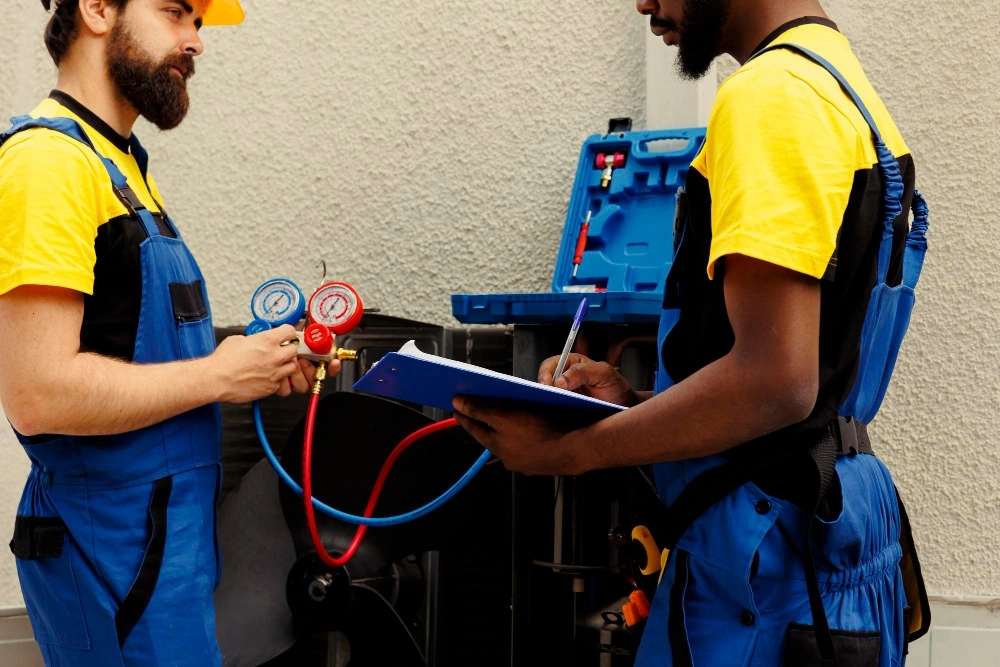
Exploring Career Opportunities in ASHP Installation
The demand for skilled ASHP installers is rapidly increasing, driven by the shift towards renewable energy solutions and the growing need for energy-efficient HVAC systems. This sector presents numerous opportunities for those looking to specialise in sustainable heating and cooling technologies, ensuring long-term career growth in the green energy industry.
Growing Demand for Skilled Installers
As governments push for greener technologies and energy-efficient solutions, the demand for skilled ASHP installers continues to rise. With more homeowners and businesses opting for renewable heating options, there is a strong need for technicians who can install, maintain, and service these systems. This growing demand provides a stable and rewarding career path for HVAC professionals, making ASHP installation a highly sought-after skill.
Sustainable Career Path in Renewable Energy
A career in ASHP installation aligns with global sustainability efforts. Professionals in this field contribute directly to reducing carbon footprints and promoting energy efficiency. With renewable energy becoming a focal point of energy policies worldwide, ASHP installers play a crucial role in transitioning to a greener future. This career path offers both personal and professional satisfaction by working in an environmentally impactful industry.
High-Earning Roles in Eco-Friendly HVAC Solutions
ASHP installation offers competitive salaries, reflecting the specialised skills required for the job. As demand for green energy solutions increases, so does the earning potential for qualified installers. Technicians with expertise in ASHP systems can expect higher wages compared to traditional HVAC roles. This makes a career in ASHP installation not only sustainable but also financially rewarding.
By specialising in ASHP installation, professionals can secure a role in the growing green energy market, offering both career stability and excellent earning potential.
Understanding the Basics of Air Source Heat Pumps
Air Source Heat Pumps (ASHPs) are an innovative and energy-efficient solution for heating and cooling homes and businesses. These systems extract heat from the outside air, even in colder temperatures, providing a sustainable alternative to traditional heating methods.
What Are Air Source Heat Pumps?
Air Source Heat Pumps are systems that transfer heat from the air outside to the inside of a building for heating, and vice versa for cooling. Unlike conventional heating systems that generate heat, ASHPs move heat from one place to another, making them highly efficient. ASHPs can be used in residential and commercial settings, offering a versatile, green solution for year-round temperature control.
How Do Air Source Heat Pumps Work?
ASHPs operate using the principles of thermodynamics, similar to how a refrigerator works, but in reverse. The system uses a refrigerant to absorb heat from the outside air. This refrigerant evaporates at low temperatures, and a compressor increases its pressure, making it hot. The hot gas is then transferred indoors, where it releases the heat into the building. The cooled refrigerant returns outside to repeat the cycle. This process is highly efficient and can provide both heating and cooling.
Environmental Benefits of ASHPs
ASHPs are considered environmentally friendly because they use renewable energy sources, specifically the heat in the air. They produce fewer carbon emissions than traditional heating systems like gas boilers. With an impressive Coefficient of Performance (COP) typically 3 or higher, ASHPs generate three times more heat than the electrical energy they consume. This efficiency helps reduce energy consumption and lowers utility bills, contributing to overall sustainability and a reduced carbon footprint.
Understanding the foundational operation and benefits of ASHPs allows homeowners and HVAC professionals to make informed decisions about integrating these systems into their energy plans.
Key Aspects of ASHP Training for Career-Focused HVAC Technicians
Air Source Heat Pump training is crucial for HVAC professionals aiming to specialise in renewable energy solutions. Gaining expertise in this area equips technicians with the necessary skills and certifications to meet the increasing demand for energy-efficient heating and cooling systems.
Heat Pump Fundamentals for HVAC Professionals
ASHP training covers the core principles of heat pump technology, focusing on the refrigerant cycle, thermodynamics, and energy transfer processes. Technicians learn how ASHPs extract and transfer heat from the air, enhancing their understanding of how to optimise system performance.
System Design and Modern HVAC Integration
Professionals are trained in designing ASHP systems that fit various building requirements. Training includes integrating these systems into existing HVAC infrastructure, ensuring energy efficiency and maximum performance. This knowledge is essential for creating tailored solutions for residential and commercial clients.
Installation and Commissioning for Compliance
ASHP installation training covers all aspects of system setup, from site assessment to the final commissioning. Technicians are taught how to install units safely, meet building codes, and ensure the systems operate at peak efficiency. Compliance with energy regulations is a major focus.
Routine and Preventive Maintenance
Routine and preventive maintenance training ensures HVAC professionals can service ASHP systems effectively. Technicians learn to troubleshoot, clean, and maintain these systems to prolong their lifespan and optimise performance, reducing downtime and repair costs for customers.
Regulatory Training (FGAS, Building Regs)
To work with refrigerants in ASHP systems, technicians must complete FGAS certification. Training also covers building regulations (Building Regs) to ensure installations comply with safety and energy efficiency standards. Regulatory compliance is crucial for maintaining credibility and legal standing in the industry.
Hands-on Technical Training
ASHP training includes practical, hands-on experience, allowing professionals to apply their theoretical knowledge in real-world scenarios. This technical training is critical for building confidence in system installation, diagnostics, and maintenance.
MCS Accreditation: Pathway to Certification
The MCS (Microgeneration Certification Scheme) accreditation is a key certification for ASHP installers in the UK. It demonstrates that technicians meet high standards for renewable energy installations. MCS-certified professionals are eligible for government incentives and can access more job opportunities in the green energy sector.
Manufacturer-Specific Training Opportunities
Manufacturer-specific training programs offer additional certifications for technicians to work with particular ASHP brands. This specialised training ensures that professionals are well-versed in the unique features and requirements of different systems, providing a competitive edge in the market.
ASHP training prepares HVAC professionals to meet the rising demand for sustainable heating solutions. Completing these training modules and earning certifications, such as MCS and FGAS, allows professionals to stay compliant with industry standards and enhances their career prospects in the green energy sector.
ASHP Training Courses for HVAC Technicians
When selecting an ASHP training course, HVAC professionals should consider reputable providers that offer accredited programs and meet industry standards. Here are some top training providers in the UK offering comprehensive ASHP courses.
Logic Certification
Logic Certification is a recognised leader in renewable energy training. They offer a thorough ASHP course that covers installation, maintenance, and compliance, equipping technicians with the necessary skills to meet industry standards. Their programs also include MCS accreditation, ensuring professionals are qualified to carry out installations in line with government regulations.
NICEIC
NICEIC is well-known for its commitment to quality and safety within the HVAC and electrical sectors. Their ASHP certification programs provide HVAC professionals with essential knowledge and skills for installing and maintaining heat pumps, while ensuring compliance with regulatory standards. NICEIC’s reputation for high standards adds significant value to their certification.
Skills Training Group
Skills Training Group provides flexible ASHP courses suitable for both newcomers and experienced technicians. Their programs cover everything from system design and installation to ongoing maintenance. Training is aligned with industry standards and includes certification for MCS and FGAS, preparing technicians for a career in the growing renewable energy sector.
Nu-Heat
Nu-Heat specialises in providing expert training in ASHP systems, focusing on integration and system design. Their courses offer in-depth knowledge of how to incorporate heat pumps into existing HVAC systems. Nu-Heat also offers manufacturer-specific training, making it ideal for those looking to gain expertise in specific ASHP brands.
Viva Training
Viva Training offers comprehensive ASHP certification programs designed to provide HVAC professionals with both theoretical and practical knowledge. Their training programs cover essential topics such as installation, system design, and compliance with MCS regulations, ensuring technicians are equipped for work in the renewable energy sector.
These providers are recognised for their high-quality courses that adhere to industry standards, offering the skills and certifications necessary for professionals to succeed in the ASHP sector.
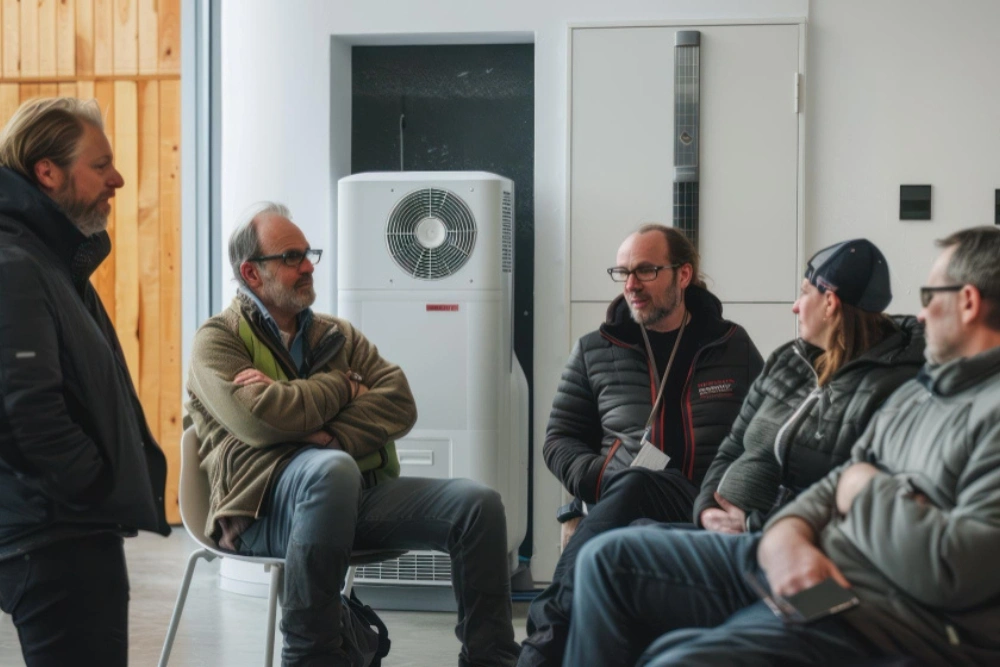
Adapting Your Gas Engineering Skills to ASHP Systems
Gas engineers possess valuable skills that can seamlessly transition to working with Air Source Heat Pumps (ASHPs). By identifying transferable skills and addressing knowledge gaps, gas engineers can smoothly adapt to this growing field and embrace new opportunities in the renewable energy sector.
Transferable Skills and Bridging Knowledge Gaps
Many skills gained from working with gas boilers are directly applicable to ASHP systems. Both require a deep understanding of thermodynamics, system pressure, flow rates, and efficient energy transfer. Gas engineers already have experience with installation, safety procedures, and troubleshooting, which are essential when working with heat pump systems.
However, there are specific knowledge gaps to bridge, such as:
- Refrigerant Handling: Unlike gas systems, ASHPs use refrigerants that require specialised knowledge of safe handling and regulatory compliance.
- Energy Efficiency: ASHPs work differently from gas systems in terms of energy usage. Engineers must learn to assess the Coefficient of Performance (COP) and understand system efficiency in new contexts.
- Regulatory Knowledge: Adapting to new energy regulations and certifications, such as MCS and FGAS, is crucial for working with ASHP systems.
Embracing Heat Pump Technologies
As a gas engineer, embracing heat pump technology involves understanding how ASHPs operate. The basic principle of heat transfer remains similar, but engineers must adapt to how ASHPs extract and distribute heat from the air. Upskilling in ASHP-specific technologies will allow engineers to confidently install, maintain, and optimise these systems. This transition represents a natural progression in the move toward renewable energy solutions, allowing professionals to remain relevant in an evolving industry.
Effective Communication with Eco-Conscious Clients
The rise of eco-conscious clients presents a new opportunity for gas engineers transitioning to ASHPs. As more consumers prioritise sustainability and energy efficiency, understanding how to communicate the benefits of ASHPs is essential. Gas engineers will need to effectively explain how ASHPs reduce carbon footprints, lower energy bills, and contribute to long-term environmental goals. Building trust and educating clients on the long-term value of heat pump systems will be a key part of the transition.
Gas engineers can successfully adapt to the growing demand for ASHP systems by leveraging their existing skills and expanding their knowledge in refrigerant handling, energy efficiency, and regulations. This upskilling ensures that they remain at the forefront of the HVAC industry, meeting both client needs and environmental standards.
Training and Certification Pathways
For HVAC professionals looking to specialise in Air Source Heat Pumps (ASHPs), obtaining the right training and certifications is crucial to ensuring career readiness and compliance with industry standards. Here’s an overview of the key training options and certifications to help professionals advance in the ASHP sector.
Recognised HVAC Training Programs
Various recognised HVAC training programs offer specialised courses in ASHP technology. These programs cover the fundamentals of heat pump systems, installation, troubleshooting, and system design. Training often includes both theoretical knowledge and practical, hands-on experience, ensuring professionals can apply their skills in real-world situations. Well-known training providers such as Logic Certification, NICEIC, and Skills Training Group offer accredited programs that provide HVAC professionals with the expertise to work with ASHP systems efficiently.
Industry Certifications (MCS, FGAS)
Certification plays a pivotal role in qualifying HVAC professionals to work with ASHPs and ensures compliance with industry standards.
- MCS Certification: The Microgeneration Certification Scheme (MCS) is essential for technicians who install renewable energy systems, including ASHPs. MCS certification ensures that professionals meet the technical standards required for quality installations, making it necessary for accessing government incentives and providing customers with certified systems.
- FGAS Certification: The FGAS (Fluorinated Greenhouse Gases) certification is required for professionals working with refrigerants used in ASHP systems. This certification ensures compliance with environmental regulations and safety standards when handling refrigerants, which is critical for anyone working on systems that use these gases.
Both MCS and FGAS certifications are essential for HVAC technicians seeking to work with ASHPs, ensuring they meet both technical and regulatory requirements.
Continuous Skill Development and Upgrading
The HVAC industry is constantly evolving, with new technologies and regulations emerging regularly. For professionals to remain competitive and compliant, continuous skill development is crucial. After initial certification, ongoing training is necessary to stay current with the latest advancements in ASHP technology, new energy regulations, and updated safety standards. Upskilling through additional courses and manufacturer-specific training can further enhance a technician’s expertise and open up new career opportunities.
By committing to continuous learning and staying up-to-date with industry standards, HVAC professionals can ensure long-term career growth in the renewable energy sector, with specialised knowledge in ASHP systems.
Overcoming Career Transition Challenges
Transitioning from traditional HVAC systems, such as gas boilers, to specialising in Air Source Heat Pumps (ASHPs) presents certain challenges. However, with the right approach, these obstacles can be easily overcome. Here are the main challenges and solutions to help engineers transition smoothly to this growing sector.
Tooling and Equipment Updates
One of the primary hurdles when transitioning to ASHPs is the need for new tools and equipment. Unlike gas boilers, ASHPs require specialised tools for refrigerant handling, system installation, and diagnostics. These include:
- Refrigerant handling tools: Necessary for managing the refrigerants used in ASHP systems.
- Installation kits: These are specific to heat pump systems, including components like piping, manifolds, and electrical connections.
- Diagnostic tools: These help assess system efficiency and performance, ensuring optimal operation.
While updating equipment can be costly initially, investing in the right tools ensures compliance with safety regulations and allows for more efficient installation and maintenance. Transitioning engineers should view this as an opportunity to upgrade their toolkit for future-proof work.
Regulatory Knowledge Gaps
Another challenge when switching to ASHPs is understanding the regulatory landscape surrounding these systems. ASHP installation requires compliance with several regulations, such as MCS certification for renewable systems and FGAS certification for refrigerant handling.
Gas engineers may be unfamiliar with the energy efficiency standards specific to ASHPs and the environmental regulations governing refrigerants. To bridge this knowledge gap, technicians must undergo additional training in both MCS and FGAS certifications. Staying informed about evolving energy policies and building regulations will ensure compliance and enable engineers to offer clients legally compliant solutions.
Gaining Trust in a New Speciality
As engineers transition to working with ASHPs, gaining client trust is essential. Many consumers may not be familiar with heat pumps and might hesitate to adopt this technology. Building trust starts with demonstrating expertise. This includes:
- Obtaining relevant certifications (e.g., MCS, FGAS).
- Showing understanding of the environmental and cost-saving benefits of ASHPs.
- Highlighting experience through case studies or testimonials.
Effective communication about the long-term financial and environmental advantages of ASHPs will also help build a strong reputation. Transitioning engineers should embrace this opportunity to educate clients, positioning themselves as trusted experts in renewable HVAC solutions.
By addressing tooling, regulatory, and trust-building challenges, transitioning engineers can seamlessly shift to the ASHP market. The demand for eco-friendly solutions is on the rise, and with the right mindset and knowledge, HVAC professionals can thrive in this expanding field.
Frequently Asked Questions (FAQs)
Q: Do You Need to Be Certified to Fit ASHPs?
A: Yes, certification is required to fit ASHPs. MCS and FGAS certifications are essential to ensure compliance with regulations and handle refrigerants safely.
Q: What Are the Benefits of MCS Certification?
A: MCS certification ensures that your ASHP installations meet industry standards, qualifies you for government incentives, and boosts credibility with clients.
Q: What Qualifications Are Needed to Enrol?
A: To enrol in ASHP training, you generally need a basic understanding of HVAC systems. Some providers may require prior qualifications, such as experience in gas systems or electrical work.
Q: Why Should HVAC Engineers Know About FGAS?
A: HVAC engineers should know about FGAS certification to legally handle refrigerants used in ASHPs and ensure compliance with environmental regulations.
Q: Do ASHPs Need Regular Servicing?
A: Yes, ASHPs require regular servicing to ensure optimal performance, maintain efficiency, and extend their lifespan. Routine maintenance typically includes checking refrigerant levels and cleaning filters.
Q: How Much Does a Heat Pump Course Cost?
A: The cost of a heat pump course varies, typically ranging from £500 to £2,000, depending on the provider and the level of certification offered.